Work · YouTube Playlist Search • Chrome Store 2024 to 2026
A Chrome extension that searches inside YouTube playlists
- Problem
YouTube has no search inside a playlist, and mine run past a thousand videos. Extensions that fix this kind of thing often ask to see every page you visit.
- My call
One search bar, asking for almost nothing. It sits on the playlist and filters as you type. It needs only storage, the active tab and youtube.com, with no server and no analytics.
- Result
Live on the Chrome Web Store since July 2026. Using it daily is how I caught YouTube deleting my search bar.
- Role
Solo. I designed it, built it with AI help, and got it through the store review.
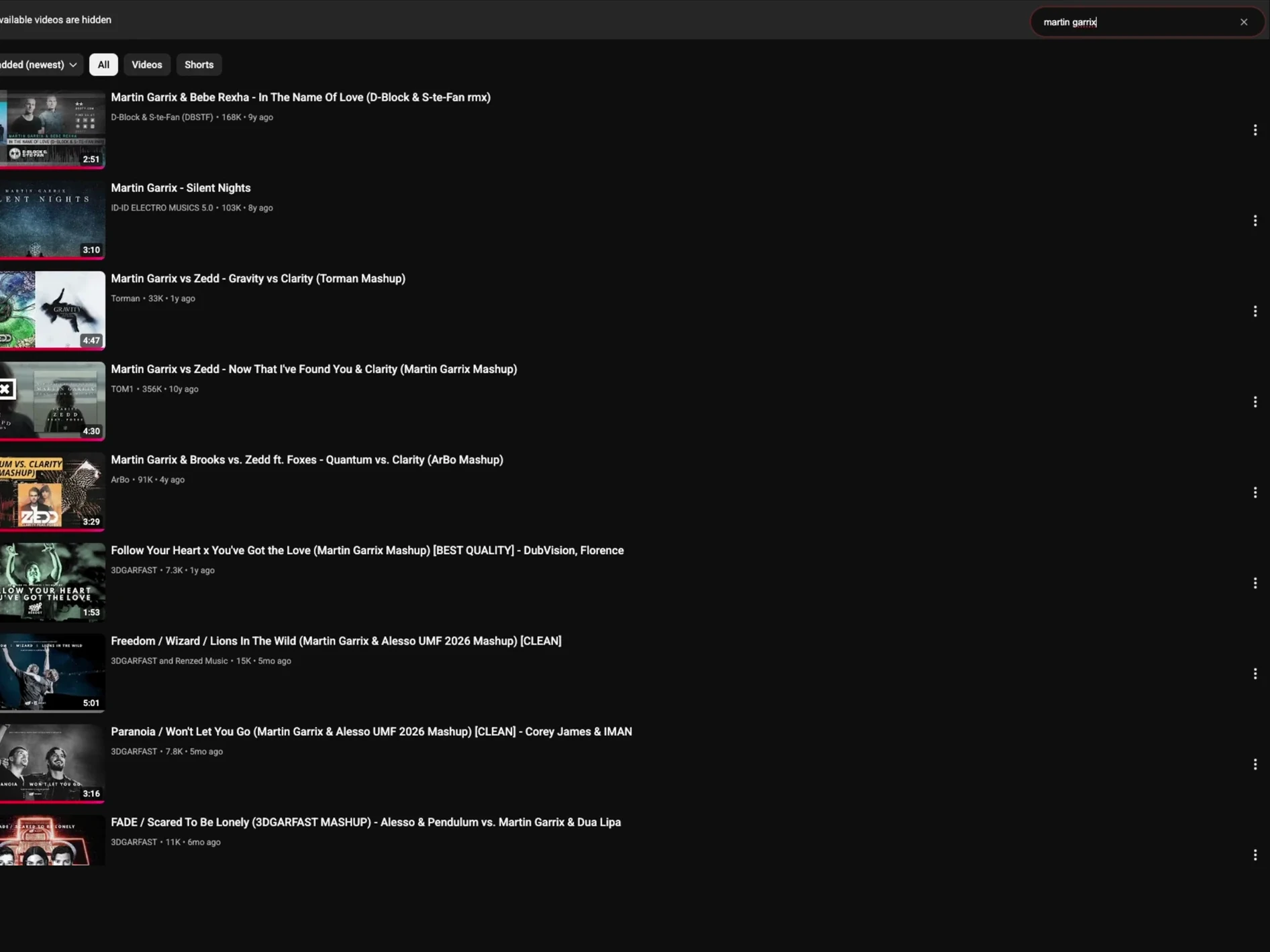
My 1,101 video playlist, filtered down to one artist. 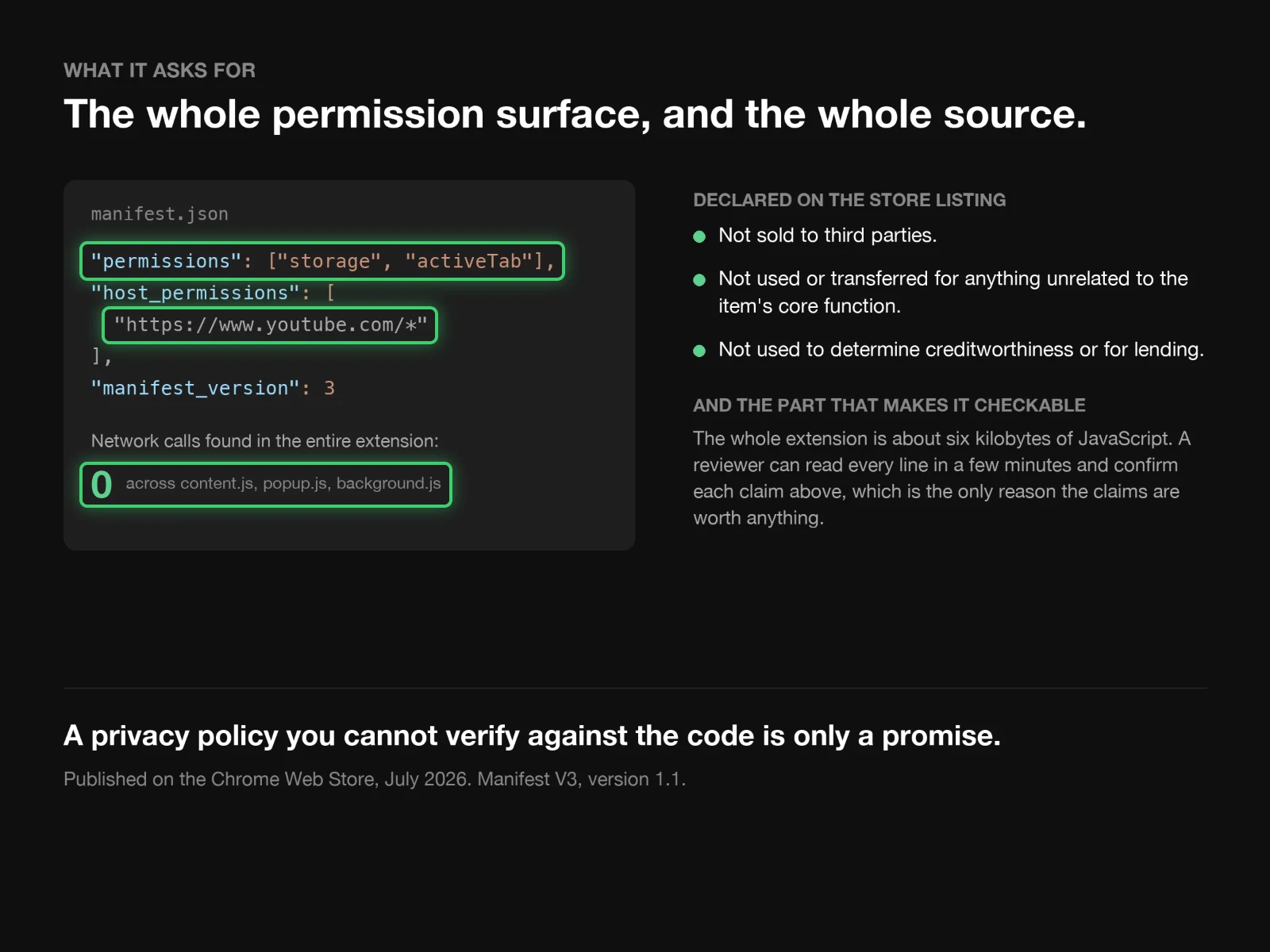
Three permissions and zero network calls, all checkable. 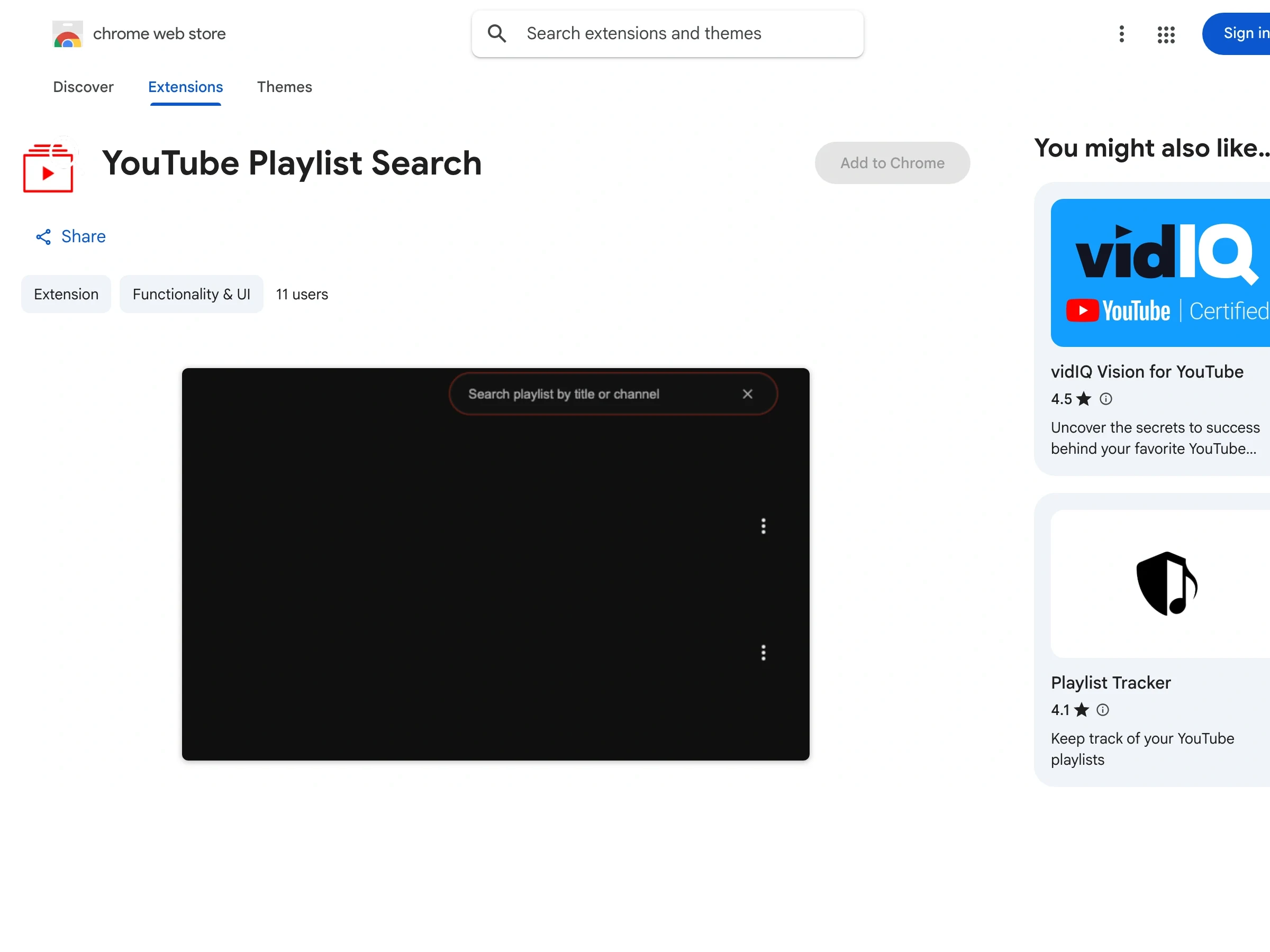
Live on the Chrome Web Store.
- Role
- Product Design, Development
- Timeline
- September 2024 to July 2026
- Team
- Solo
- Tools
- Chrome Extension APIs, JavaScript, Cursor, AI-assisted development
- Status
- Chrome Store Visit project ↗
- Permissions asked for: storage, the active tab, and youtube.com
- 3
- Of JavaScript, small enough to audit in a few minutes
- ~6 KB
Problem
Scrolling through long playlists for one video shouldn't cost big permissions.
I keep playlists with over a thousand videos. YouTube has no search inside them.
Extensions that fix small problems often ask for access to every page. So the rule was simple: ask for almost nothing.
Process
YouTube kept deleting my search bar. Only daily use showed me why.
My first version was a search bar on the playlist page that filters as you type.
But YouTube swaps its page without a full reload. So my bar vanished when you changed playlists. I added code that puts it back. I only found the bug by using it every day.
Final Design
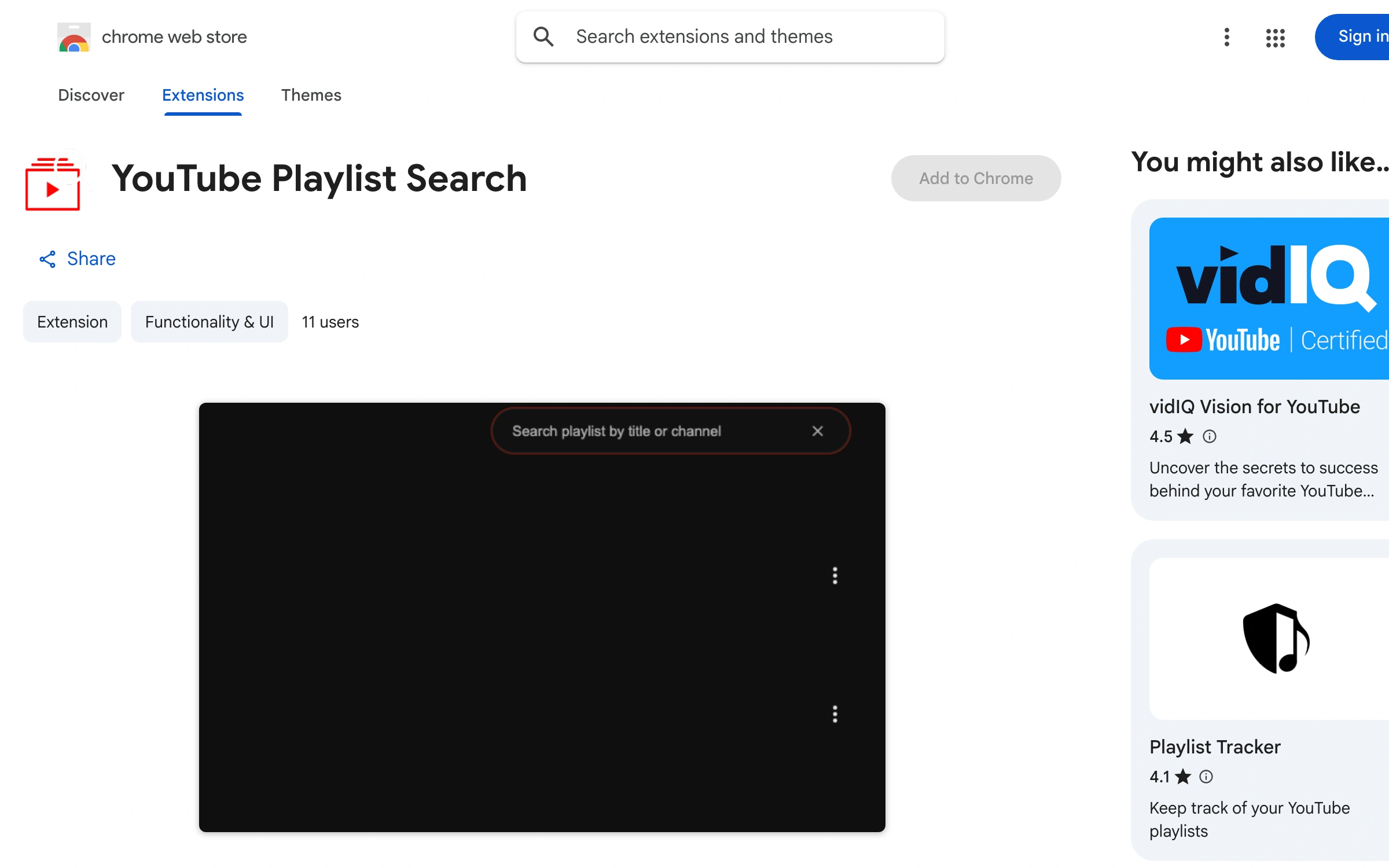
Live since July 2026, asking only for storage, the active tab and youtube.com.
It sat finished for nearly two years. The store paperwork felt bigger than the product.
It has no server, no analytics and no third party. A reviewer can read the whole thing in minutes.
Reflection
The best privacy feature is asking for less, not promising more.
A tool that fixes a small annoyance shouldn't make you take on risk. The safe way is needing less access, not writing a longer policy.
One change: I'd publish in the first month, not nearly two years later.