Work · Trash Rush • Concept 2025
A mobile game that teaches you how to sort trash
- Problem
Lookup tools answer one item at a time. They never teach the gray area items, which is where people sort wrong.
- My call
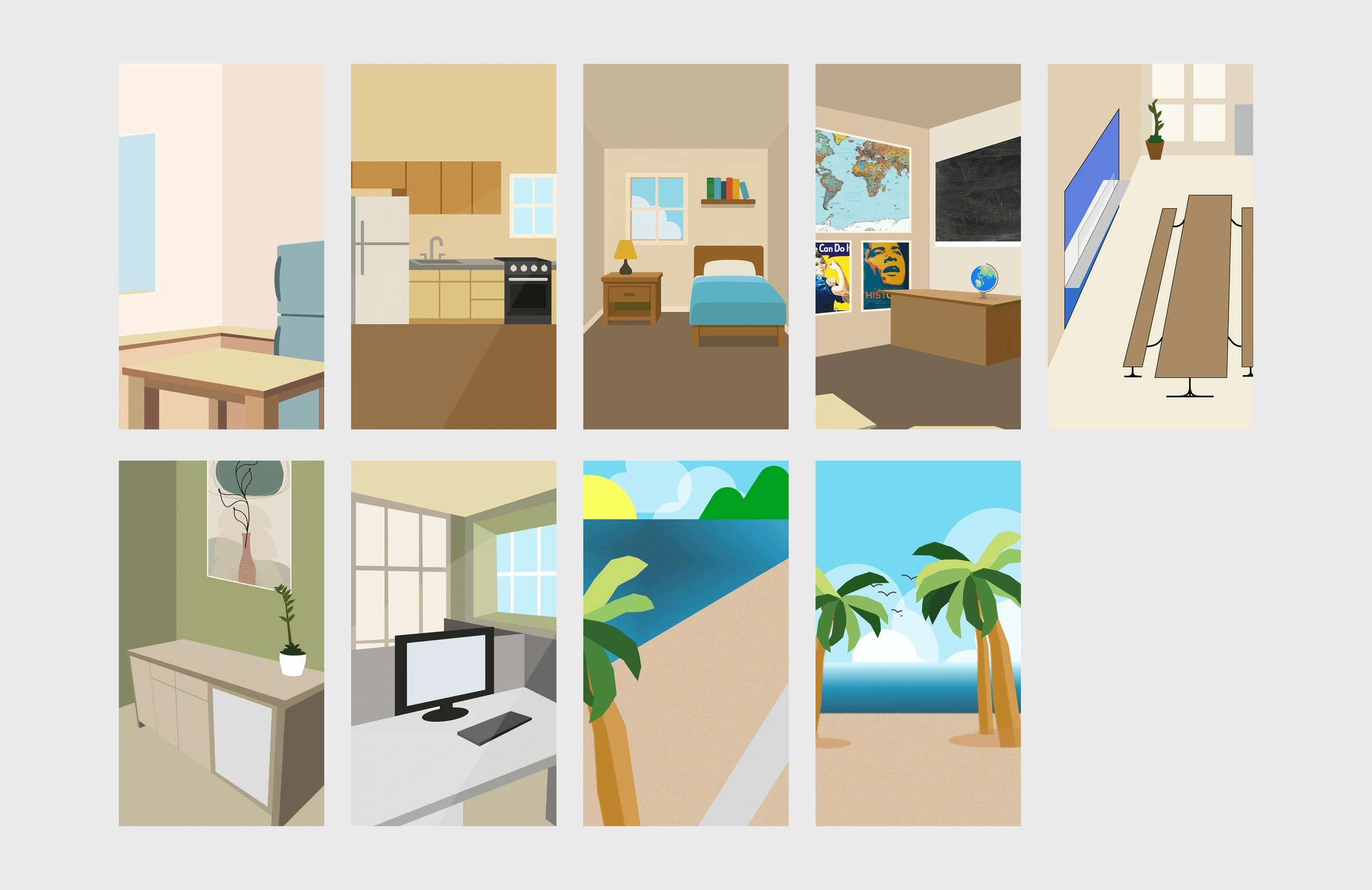
Make the world soft, so a wrong guess feels safe. I drew pastel, rounded rooms, because people worry about recycling wrong, and guessing again is how they learn.
- Result
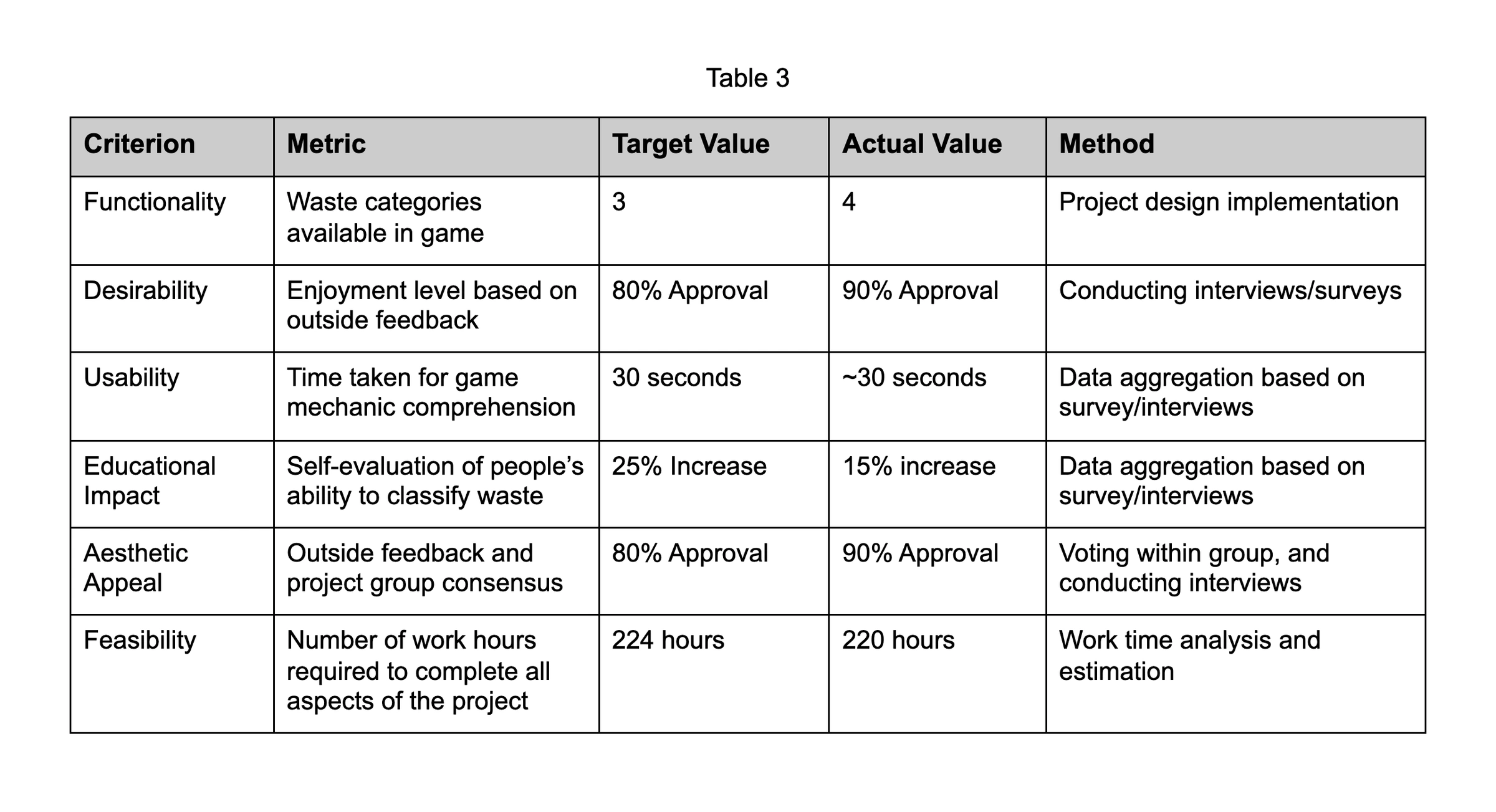
Tested with UCSD students: 90 percent enjoyed it. Their own sorting ratings rose 15 percent, short of our 25 percent goal.
- Role
UI/UX designer on a team of seven. I designed the screens, drew the Kitchen and Bedroom, and the waste items.
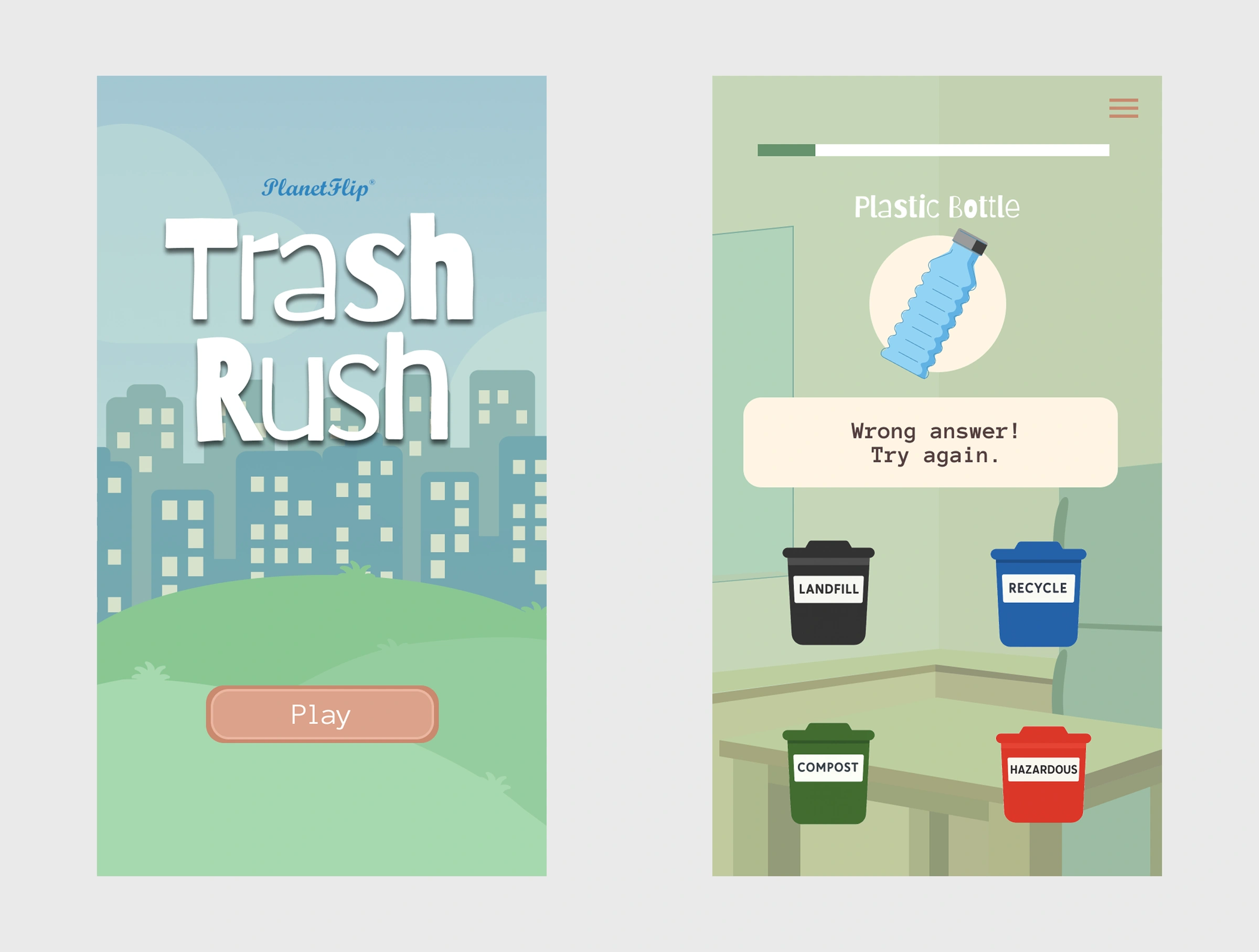
One item, four bins, one room at a time. 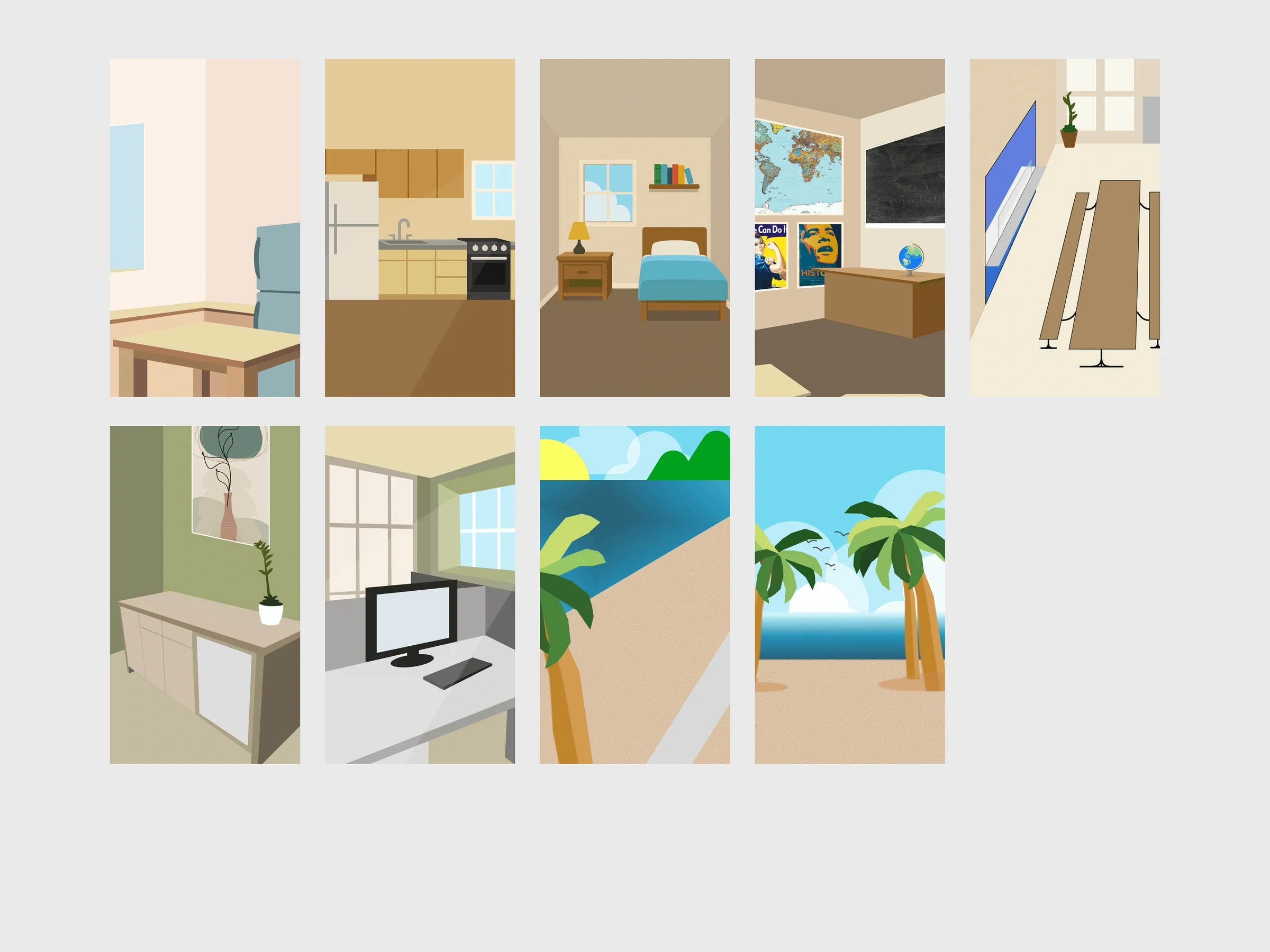
Pastel rooms, so a wrong guess never feels like failure. 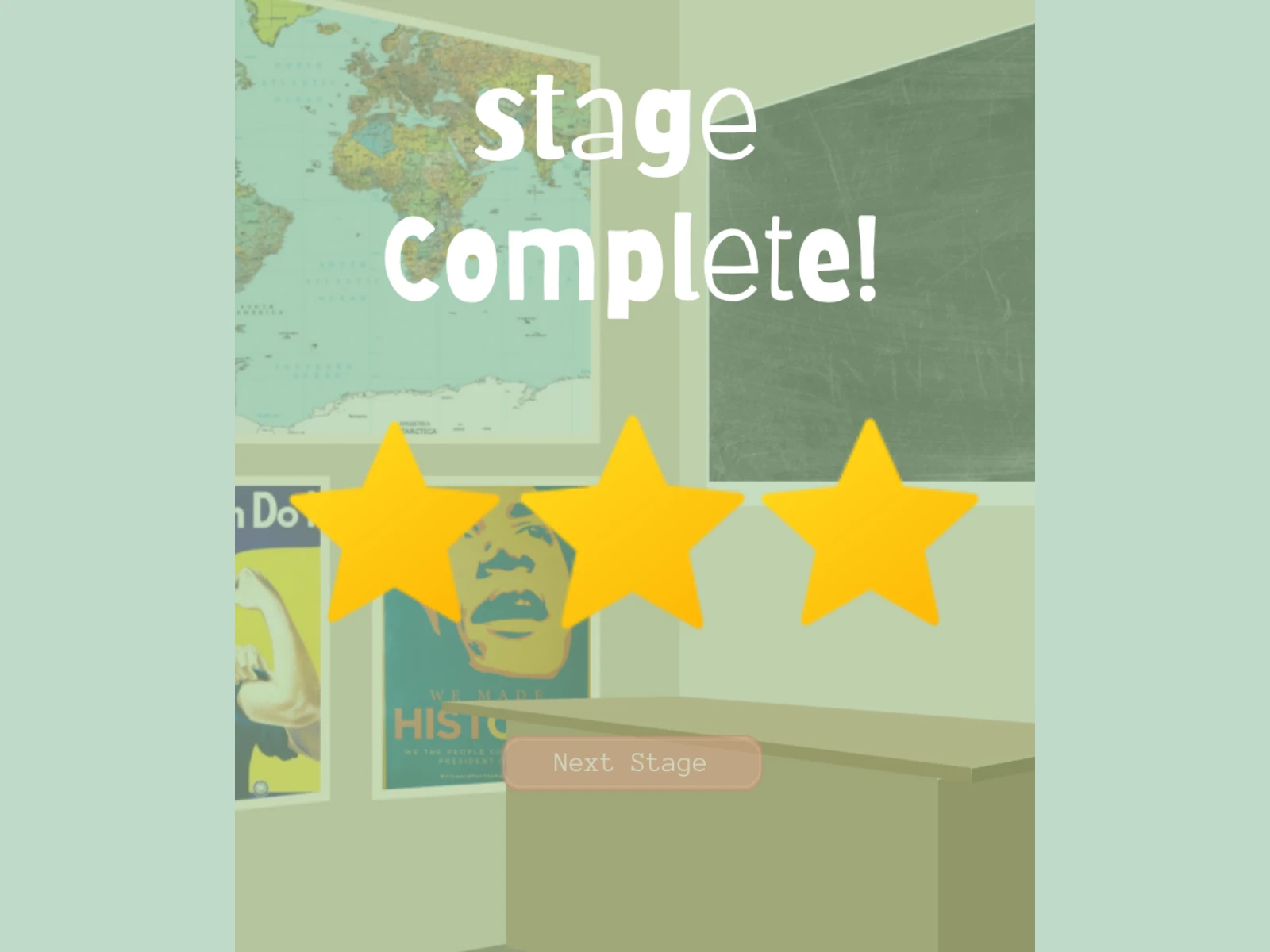
A cleared stage, three stars.
- Role
- UI/UX Designer, Illustration
- Timeline
- September to December 2025
- Team
- Linh Dinh, Yalu Ouyang, Brandon Hirano, Ryan Lee, Colin Sutedja, Regine Valdez
- Tools
- Figma, Nano Banana
- Client
- PlanetFlip
- Status
- Concept
- Of players in our feedback sessions enjoyed it
- 90%
- In players' self-rated ability to sort waste after playing
- +15%
Problem
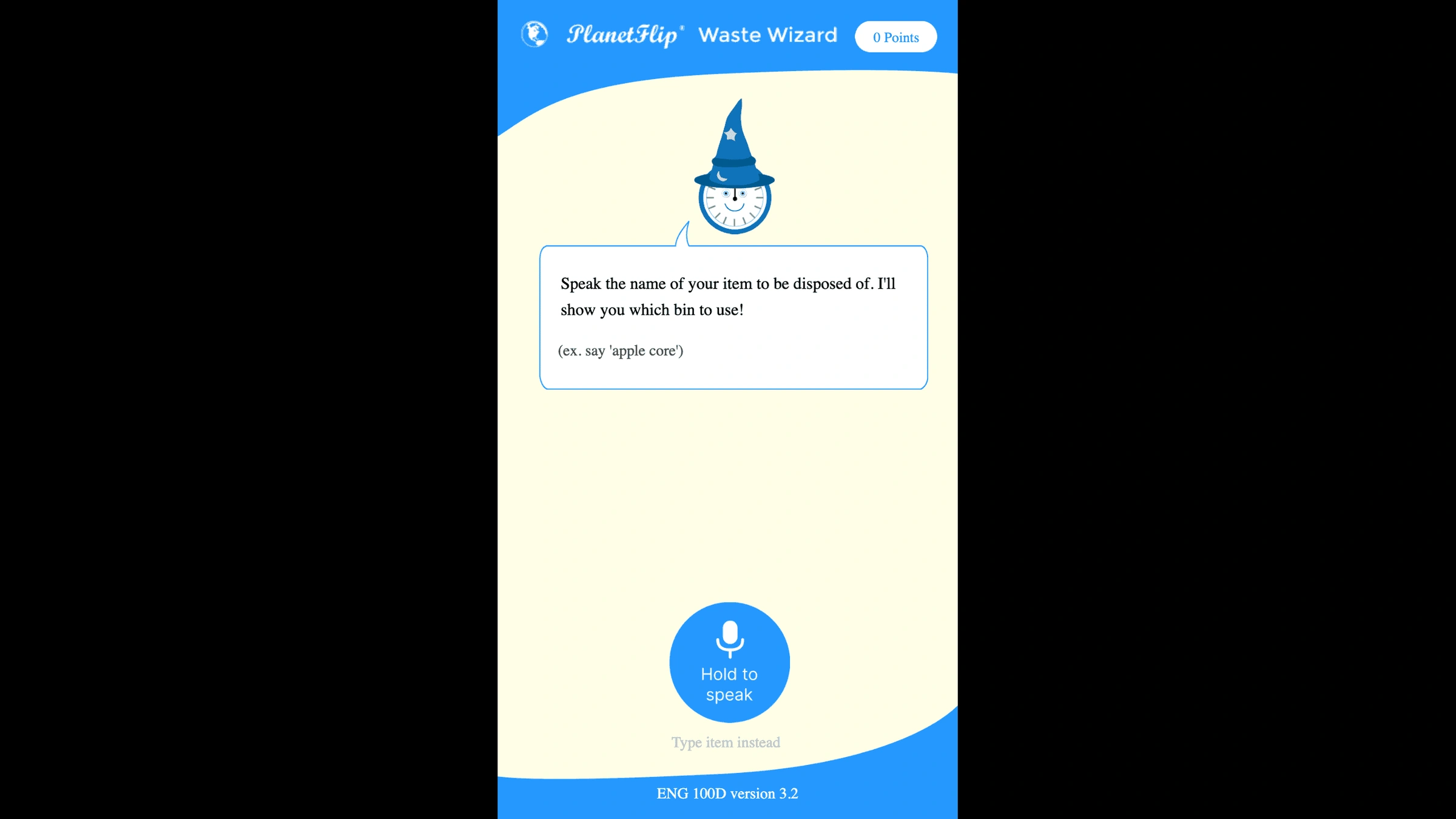
San Diego's tools tell you what is recyclable. They do not teach you.
Lookup tools like the Waste Wizard answer one item at a time. They never teach you how to think about the ambiguous stuff, and that's where people get it wrong. We bet a soft game world could teach what a lookup tool cannot.
Process
I illustrated rooms that make learning feel soft, not stressful.
I illustrated the Kitchen and Bedroom in pastel with rounded shapes on purpose. People feel anxious about getting recycling wrong. A soft world lowers the stakes. Guessing wrong and trying again is how learning happens.
Process
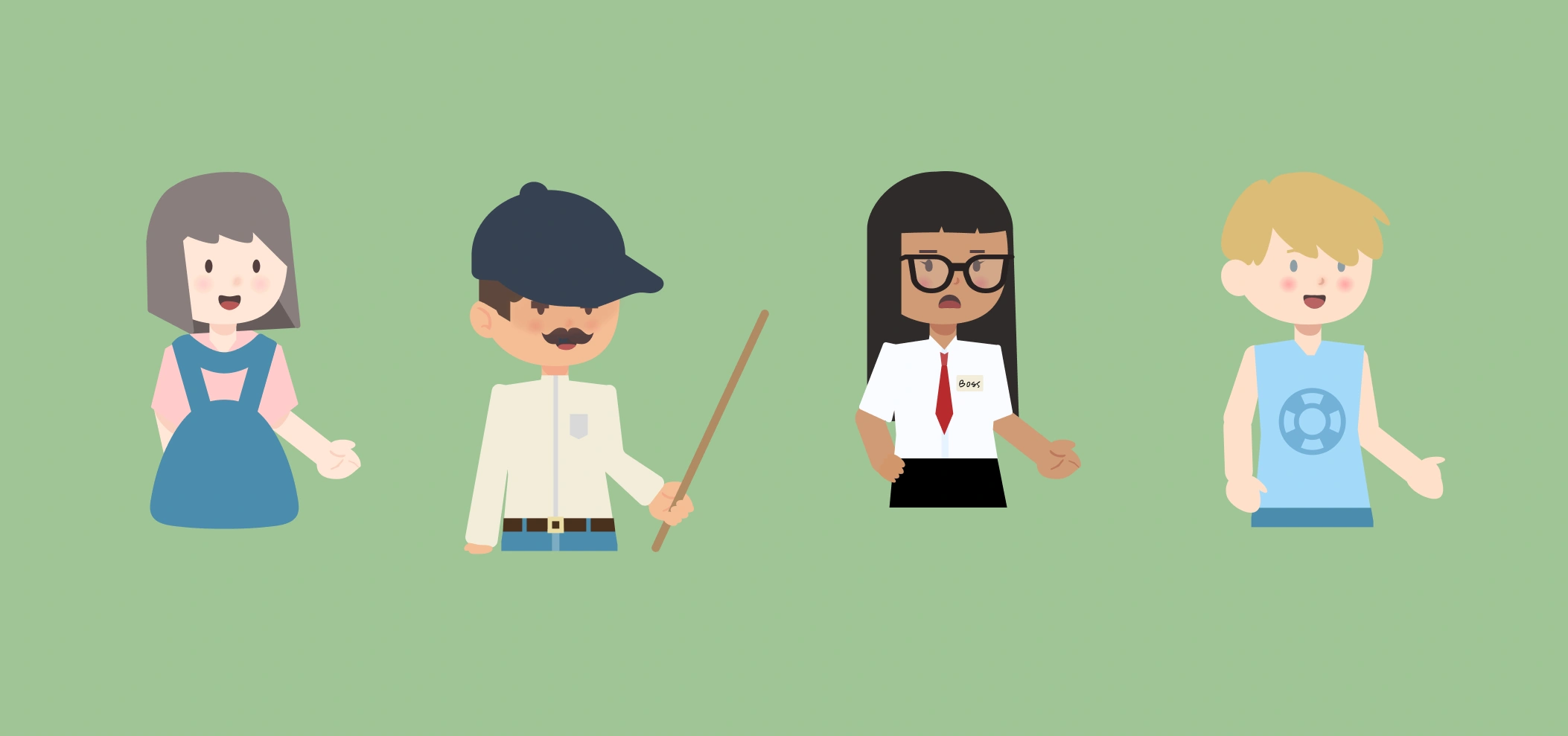
Mom and the Janitor turn instructions into a conversation.
A game that only gives orders gets boring. So we added characters like Mom and the Janitor, who react to what you do.
With points, they give players a reason to come back. My teammate Linh drew them in Figma.
Final Design
One item, four bins, one room at a time.
Each round: one item in a room, one of four bins. A character reacts, points add up. The items are the gray-area things lookup tools answer once and nobody remembers.
Reflection
The soft visuals weren't decoration. They kept people playing long enough to learn.
I thought the drawings were just polish. They were the teaching. Worried people only keep guessing when the stakes feel low.
Players rated their own sorting 15 percent higher. We aimed for 25, so we fell short. And feeling better isn't sorting better. Next time I'd test ten real items before and after.